
“It’ll Take a Little Longer – But It’ll Be Worth the Wait”
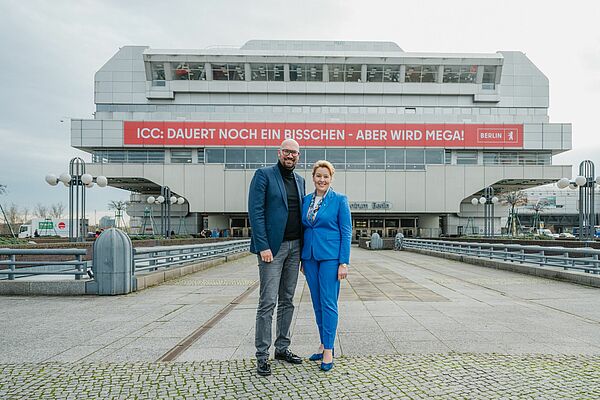
Berlin, June 26, 2026 – What’s next for the iconic “spaceship of City West”? Since closing its doors in 2014, the International Congress Center (ICC) has become one of Berlin’s most recognizable dormant landmarks – a striking architectural icon awaiting a new purpose. That is beginning to change. The State of Berlin has reached an important milestone in shaping the building’s future. An official recommendation has been issued for the ICC Quarter Project Partnership, marking the next step toward bringing the landmark back to life.
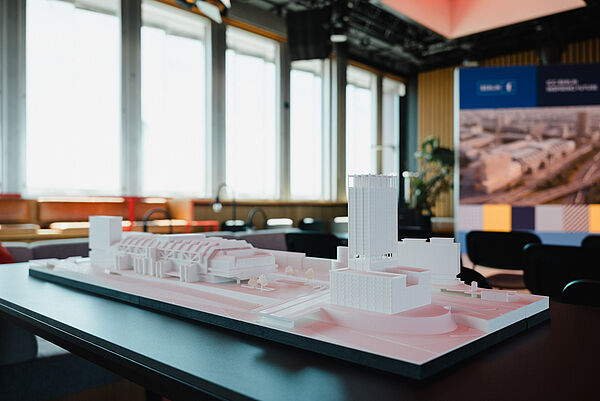
The project partnership brings together companies and experts in project development and management, architecture, urban planning, arts and cultural management, historic preservation, engineering, and construction. The consortium includes Arup Deutschland GmbH, Coloured Fields GmbH, GRAFT Gesellschaft von Architekten mbH, HOCHTIEF Infrastructure GmbH, the ICCA Project Group / Stiftung Kunstforum Berliner Volksbank, KVL Projektmanagement Berlin GmbH, Max Dudler GmbH, MIB AG Immobilien und Beteiligungen, and schneider+schumacher Planungsgesellschaft mbH. Together, they aim to transform the ICC into a vibrant, publicly accessible destination with international appeal.
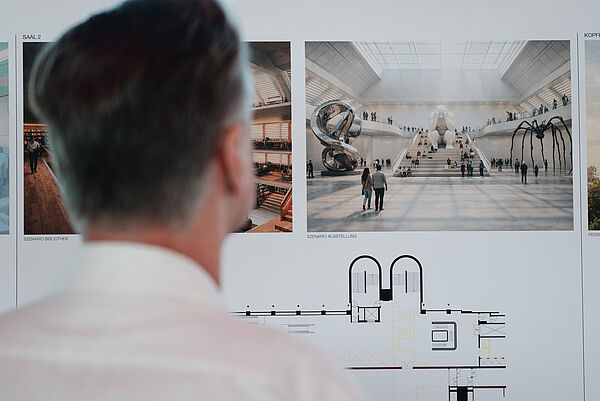
The vision is to open the building to a wide range of audiences and uses. In addition to venues for concerts and events, the plans include exhibition spaces, restaurants and cafés, studios, galleries, and workspaces for artists and creative professionals. A new ground-floor passage will further activate the building, turning it into a lively urban destination. The project opens up new opportunities both for the ICC itself – one of Berlin’s best-known architectural landmarks – and for Berlin as a center of business, innovation, and culture. Revitalizing this extraordinary building and creating a hub for culture, the creative industries, and leisure will further strengthen the appeal of western Berlin. The surrounding area will also be redeveloped. New buildings are planned on neighboring sites along Messedamm, creating space for housing, offices, hotels, restaurants, and commercial uses.
The recommendation marks the beginning of the next phase of the process. During an approximately two-year project preparation period, the partnership and the State of Berlin will work together to resolve key issues relating to planning approvals, financing, historic preservation, and the development of the future operating and use concept. The aim is to establish the conditions necessary to award the long-term leasehold rights by 2028. Initial construction work could begin as early as 2029, with the new quarter expected to open in phases starting in 2032/2033.
The ICC is one of the defining landmarks of Berlin’s postwar modernist architecture. The recommendation issued today provides a concrete roadmap for its future – and a unique opportunity to bring one of the city’s most iconic buildings back to life
Copyright Bilder: Berlin Partner / eventfotografen.berlin